
The Bill That Made Your Stomach Drop
Have you ever opened a medical bill and felt your stomach drop straight through the floor? You see numbers that do not make sense, charges you do not remember, and a total that seems impossibly high.
If that sounds familiar, you are not alone. Medical bills can be confusing, stressful, and honestly, intimidating. Many patients think the number on that bill is final - set in stone, impossible to challenge.
Here is the truth: it is not.
Hospital Bills Are More Negotiable Than You Think
Most people think a bill is a bill: you get it, you pay it, and that is the end of the story. But hospitals know something most patients do not - bills are negotiable.
Hospitals expect patients to call, ask questions, and sometimes negotiate. And there are several reasons why your bill might be wrong, inflated, or worth discussing.
Six Powerful Reasons Your Hospital Bill Is Discussable
Here are the main reasons you have leverage to negotiate or correct your bill:
Reason 1: Billing Errors Are Extremely Common
Let us start with the biggest reason of all: mistakes.
Shocking fact: Multiple studies show 40-80% of medical bills contain errors.
Common billing errors include:
- Wrong CPT/HCPCS medical codes (using wrong procedure code)
- Duplication of items (charging twice for the same test)
- Unbundled services (splitting one service into multiple charges)
- Charges for services you never received
- Insurance adjudication mistakes (coding errors from the payer)
- Incorrect facility charges
These errors can make your bill much higher than it should be. Because mistakes happen so often, hospitals encourage patients to review bills carefully and call with questions.
Reason 2: Chargemaster Prices Are Inflated "Sticker Prices"
Every hospital maintains a chargemaster - a giant list of sticker prices. Think of it like the price tag on luxury goods: it is not what most people actually pay.
Here is the critical point: Chargemaster prices are not meant to be paid by anyone.
Research shows:
- Chargemaster prices are "rarely the actual price paid" (Health Care Cost Institute, 2021)
- CMS transparency data shows cash prices and insurer-negotiated rates are far lower than chargemaster prices
- Insurers often negotiate 30-70% discounts below chargemaster prices (JAMA, 2023)
This means your first bill - based on chargemaster prices - is usually inflated. You have power to:
- Request the cash price (self-pay rate)
- Ask for the insurer-negotiated rate
- Apply for financial assistance or hardship programs
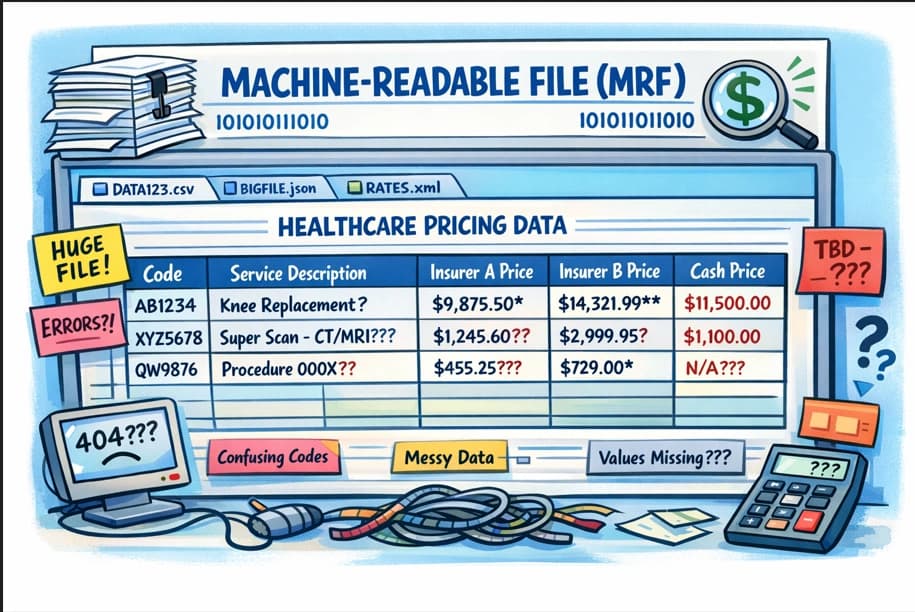
- Compare your bill to the hospital price transparency files
The first bill is always negotiable.
Reason 3: Insurance Adjudication Changes Bills Repeatedly
Insurance billing is a journey. Your bill can change multiple times because:
- Claims get reprocessed after appeals
- Deductible or out-of-pocket maximum adjustments
- Insurance coordination of benefits (multiple insurance policies)
- Prior authorization issues get resolved
- Coding mistakes get corrected
CMS and major insurers note that claims often go through multiple rounds of review. This is why hospitals often tell patients, "Wait for the final bill." They know the first one might change.
Reason 4: Federal Price Transparency Laws Give You Leverage
Since January 2021, hospitals are legally required to publish:
- Standard charges (chargemaster prices)
- Cash prices for self-pay patients
- Negotiated rates with insurers
- Medicare rates
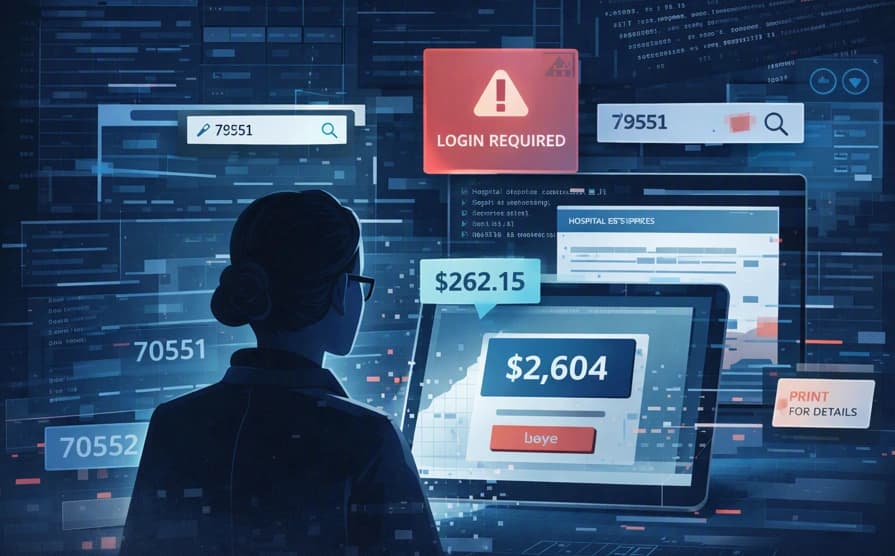
This gives you real ammunition. If your hospital website says the cash price for an MRI is $600 but your bill says $1,800, you can ask why. Tools like ExploreCarePricing make finding these prices easier.
Reason 5: Hospitals Are Legally Required to Offer Financial Assistance
Healthcare is meant to be accessible. Nonprofit hospitals must offer charity care to maintain tax-exempt status. Even for-profit hospitals often offer hardship programs because:
- It reduces bad debt
- It prevents accounts from going to collections
- It increases the likelihood of partial payment
Most programs review:
- Income relative to poverty level
- Total household assets
- Family size
- Ability to pay
Think of it like applying for a store credit card: some people qualify, some do not. But it is always worth asking.
Reason 6: Hospitals Prefer Negotiation Over Collections
This reason benefits both you and the hospital. You get a lower bill; the hospital gets paid instead of sending it to collections.
The numbers tell the story:
- Hospitals recover only 10-20% of the bill once sent to collections (Consumer Financial Protection Bureau, 2022)
- Early negotiation brings in more revenue (Healthcare Financial Management Association, 2021)
- Medical debt in collections is rarely paid in full
Collections are expensive and often fail. Hospitals would rather work with you directly.
How to Talk Back to Your Bill: Practical Steps
Step 1: Request an Itemized Bill
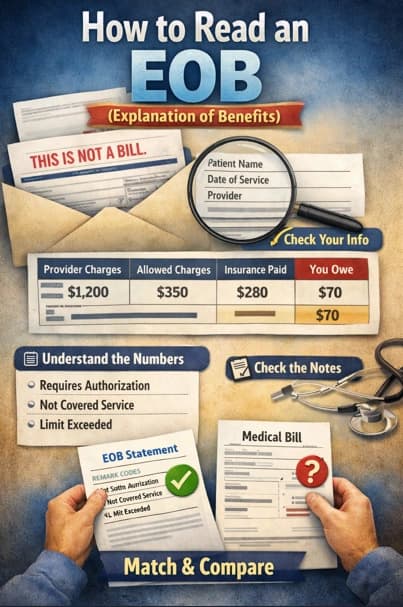
Your first step is to request a complete itemized bill that shows every charge and service. This is your right. Review it carefully for errors or duplicate charges.
Step 2: Verify Against Price Transparency Data
Use your hospital price transparency tool (or ExploreCarePricing) to check what they published as their cash price or insurance rate. If your bill is higher, ask why.
Step 3: Call the Billing Department
Ask for the patient advocate or billing specialist. Explain your concern: "My bill shows $X, but your price transparency file shows $Y. Can you explain the difference?"
Step 4: Ask About Financial Assistance
If cost is the issue, ask directly: "Do you have financial assistance programs?" Most hospitals have them and will review your application.
Step 5: Request a Discount or Payment Plan
If you are self-pay, ask for the self-pay discount (often 30-50% off). If a discount is not possible, ask about payment plans.
Tools to Help You: ExploreCarePricing
ExploreCarePricing.com is a tool that lets patients compare hospital prices side-by-side, making negotiation conversations easier and more informed.
Instead of guessing or wondering if your bill is fair, you can look up the typical cash price, insurance rate, or Medicare rate for the procedure you received. Armed with this information, you can speak confidently with the billing department.
In a world where billing errors are common and sticker prices are inflated, tools like ExploreCarePricing level the playing field between patients and hospitals.
Frequently Asked Questions (FAQ)
Q: What if the hospital says the bill is final and non-negotiable?
A: Do not accept that answer. Virtually all hospital bills are negotiable. Ask to speak with a patient advocate or the billing manager. Be persistent but professional.
Q: How much should I expect to negotiate off?
A: It depends on the reason for the error or the program you qualify for. Financial assistance can reduce bills by 50-100%. Correcting a billing error depends on what was wrong. Negotiating the chargemaster price down to cash price can save 30-70%.
Q: What if I cannot pay even after negotiating?
A: Ask about payment plans. Many hospitals offer extended payment plans with no interest. Some have additional hardship assistance. Never ignore the bill - always communicate.
Q: Can I dispute my bill after insurance pays their part?
A: Yes. The fact that insurance paid part of it does not mean the remaining balance is correct. If you believe there is an error, you can still dispute it.
Q: How long do I have to dispute a bill?
A: Federal regulations generally allow 60 days from the date of the billing statement to dispute errors. However, do not wait. Call as soon as you notice a problem.
Q: Should I hire a patient advocate?
A: For smaller bills, probably not. But for bills over $10,000 or if you suspect a major error, professional patient advocates can be worth the cost. They often negotiate 20-40% reductions.
Q: What if the billing department will not help?
A: Escalate. Ask for the patient advocate, billing director, or hospital ombudsman. If still unresolved, contact your state health department or attorney general consumer protection office.
References & Further Reading
Federal Regulations & Government Resources:
- Centers for Medicare & Medicaid Services (2021). Hospital Price Transparency Final Rule. https://www.cms.gov/priorities/key-initiatives/hospital-price-transparency
- Internal Revenue Service (2020). Instructions for Schedule H (Form 990): Hospitals and Charity Care Requirements. https://www.irs.gov/
- State Attorney General Offices: Contact your state AG for medical billing complaint procedures
Important Healthcare and Financial Disclaimer
This article is provided for informational purposes only and should not be construed as medical, financial, or legal advice. ExploreCarePricing is not a substitute for professional guidance.
Financial Information:
The billing practices and negotiation strategies discussed reflect general healthcare billing processes. Your actual bill and negotiation outcomes depend on your specific situation, insurance coverage, hospital policies, and state regulations. Always verify information directly with your hospital billing department before making financial decisions.
Legal Information:
Billing disputes and patient rights vary by state. Some states have specific regulations about hospital charity care, billing practices, and collection procedures. For state-specific guidance, contact your state attorney general office or state health department.
Medical Information:
This article discusses billing procedures, not medical treatment. Any concerns about the medical services you received should be discussed with your healthcare provider.
About the Author
Rachel Wrought, LPN, SHM, MHI, Founder & CEO of ExploreCarePricing, brings over 18 years of healthcare experience spanning clinical nursing, healthcare operations, regulatory compliance, healthcare technology, and healthcare innovation. With a Master's degree in Healthcare Innovation from Arizona State University, Rachel is dedicated to empowering patients with clear, actionable information about healthcare costs. Her background in both direct patient care and healthcare administration gives her a unique perspective on the patient experience with medical billing and pricing.
Data sourced from public healthcare datasets and research - information is educational only.